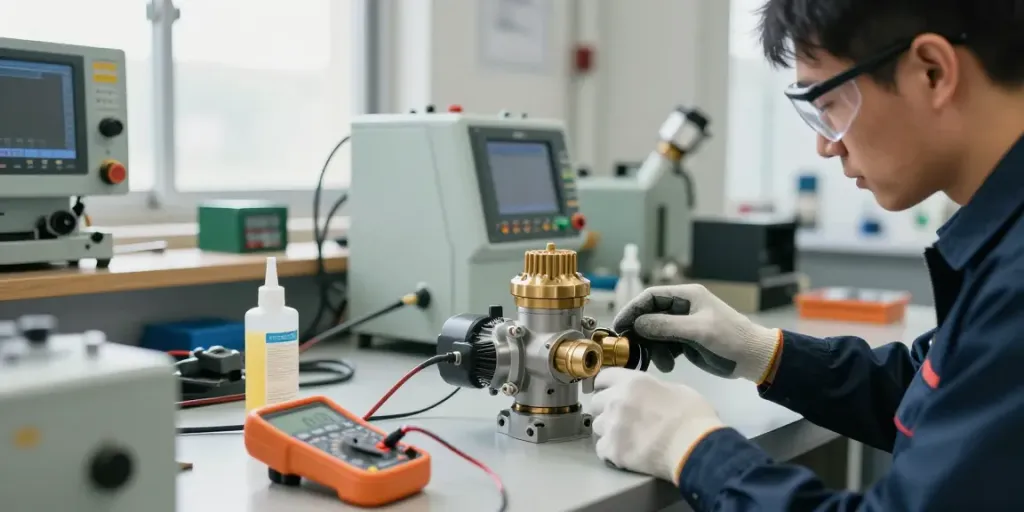
Understanding Water Pump Pressure Switches
Water pump pressure switches are essential components in both residential and industrial water systems. They automatically control the operation of pumps by detecting changes in water pressure, ensuring a consistent supply of water and protecting the system from potential damage. As technology evolves, so do these switches, with features that enhance their efficiency and reliability. When exploring options, a water pump pressure switch can provide comprehensive insights into the latest advancements in pressure control technology.
What is a Water Pump Pressure Switch?
A water pump pressure switch is a mechanical or electronic device that regulates the operation of water pumps based on the pressure in a water system. Its primary function is to turn the pump on or off, depending on whether the pressure falls below or exceeds a predetermined threshold. This is critical in maintaining optimal water levels in systems ranging from household wells to industrial water supply networks.
How Water Pump Pressure Switches Work
Pressure switches operate by using a diaphragm or pressure sensor that responds to changes in water pressure. When the pressure drops below the set point, the switch closes the electrical circuit, activating the pump. Conversely, when the pressure exceeds the upper limit, the switch opens the circuit, shutting down the pump. This cycle ensures that the pump operates only when needed, thereby optimizing energy usage and prolonging the lifespan of the equipment.
Key Features of Quality Pressure Switches
- Durability: High-quality switches are built to withstand harsh environmental conditions, including moisture and temperature fluctuations.
- Adjustable Settings: Many pressure switches offer customizable cut-in and cut-out pressure settings to cater to specific system requirements.
- Safety Features: Advanced models may include features like dry-run protection to prevent the pump from operating without sufficient water.
- Compatibility: A well-designed pressure switch will be compatible with various pump types, facilitating easier replacements and installations.
- Reliability: Quality switches ensure consistent and reliable operation, minimizing maintenance needs and reducing downtime.
Applications of Water Pump Pressure Switches
Residential Water Systems
In residential settings, water pump pressure switches are commonly used in well water systems to maintain consistent water pressure for domestic use. They automatically start and stop the pump based on household demand, ensuring that taps and fixtures receive an adequate water supply. Moreover, they contribute to energy savings by preventing unnecessary pump operation.
Commercial Water Pumping Solutions
For commercial applications, such as hotels and multi-story buildings, water pump pressure switches play a crucial role in ensuring reliable water distribution. By maintaining consistent pressure across various floors, these switches help prevent issues such as low water pressure in showers or faucets, significantly enhancing guest satisfaction.
Agricultural Uses and Benefits
Agriculture relies heavily on efficient water management, and pressure switches are instrumental in irrigation systems. They provide essential control over well pumps, ensuring that water is available when needed without over-pressurizing the system. This not only conserves water but also protects the irrigation equipment from damage due to excessive pressure.
Choosing the Right Water Pump Pressure Switch
Factors to Consider for Selection
When selecting a water pump pressure switch, consider factors such as the type of pump (submersible, jet, etc.), pressure range requirements, and environmental conditions. The switch should be compatible with the pump's specifications to ensure optimal performance. Additionally, evaluating the brand reputation and warranty offered can provide valuable insights into the product’s reliability.
Comparing Different Models and Brands
Not all pressure switches are created equal. It's essential to compare different models based on their specifications, such as pressure settings, materials used, and additional features. Some brands may offer better warranties or customer support, which can be crucial for maintenance and troubleshooting.
Installation Best Practices
Proper installation of the pressure switch is critical to its performance and longevity. Ensure that the switch is installed in a location where it can accurately measure system pressure. Follow manufacturer instructions for wiring and configuration to avoid issues during operation. Additionally, regular maintenance checks can help identify potential problems early on.
Maintaining and Troubleshooting Water Pump Pressure Switches
Common Issues and Solutions
Pressure switches can encounter various issues, such as failure to start or stop the pump, incorrect pressure readings, or electrical malfunctions. Common solutions include checking for electrical connections, ensuring the diaphragm is not stuck, and verifying that the pressure settings are correctly configured. Regular maintenance can prevent many of these issues from arising.
Preventative Maintenance Tips
- Regularly inspect the pressure switch for signs of wear and tear.
- Ensure that electrical connections are clean and free of corrosion.
- Test the switch settings periodically to confirm accurate pressure regulation.
- Clean the area around the switch to avoid debris interference.
When to Replace Your Pressure Switch
It may be time to replace your pressure switch if you notice frequent pump cycling, pressure fluctuations, or if the switch is more than five years old and has started to show signs of malfunction. Investing in a new, reliable pressure switch can prevent costly water damage and reduce energy waste.
The Future of Water Pump Pressure Switch Technology
Emerging Trends for 2026 and Beyond
The future of water pump pressure switches is poised for exciting developments, particularly with the integration of smart technology. IoT-enabled pressure switches are becoming more common, allowing for remote monitoring and control through mobile apps, enhancing user convenience and decision-making.
Technological Innovations in Pressure Control
Innovations such as advanced sensors and data analytics are transforming how pressure switches operate. These technologies enable precise adjustments based on real-time data, which can optimize water usage and improve overall system efficiency. Features like predictive maintenance can also be implemented, reducing downtime and repair costs.
Looking Ahead: Sustainability and Efficiency
As industries continue to focus on sustainability, pressure switches will play a vital role in efficient resource management. By minimizing water wastage and improving energy efficiency, modern pressure switches will support environmentally friendly practices across various sectors, from residential to agricultural.