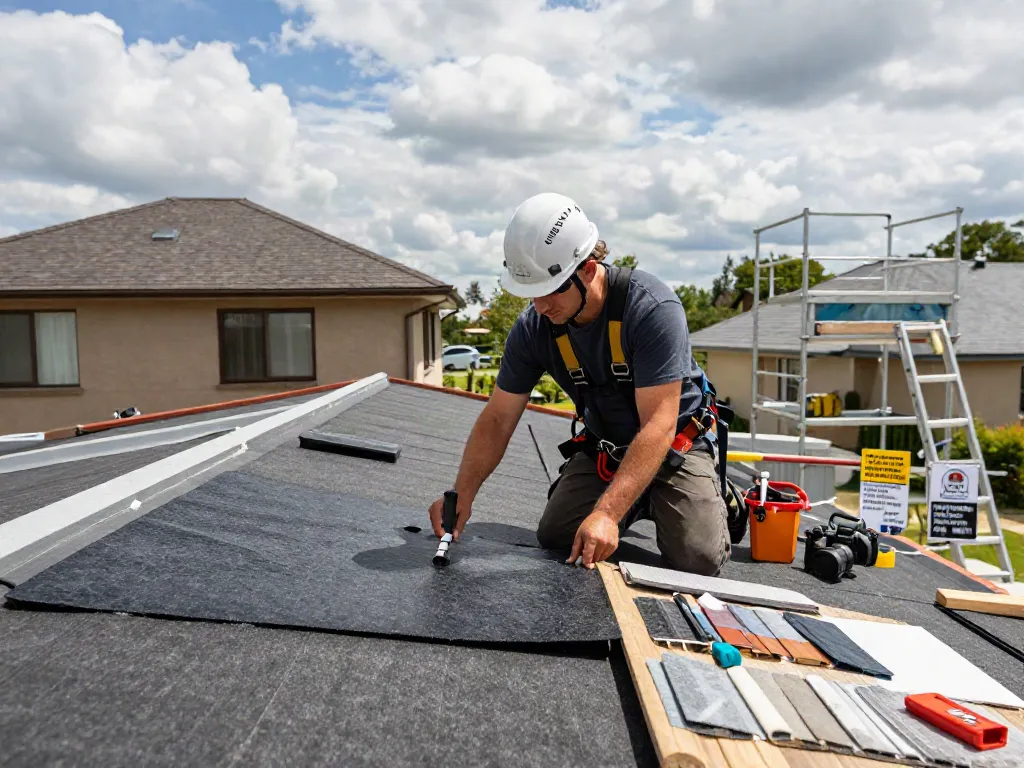
Understanding Felt Roofing: A Comprehensive Guide
Felt roofing has long been a reliable solution for flat roofs, offering homeowners an effective and cost-efficient method of protecting their properties. As the name suggests, felt roofing involves layers of felt material that provide a waterproof barrier, ensuring that your home remains safe from the elements. From garages to home extensions, felt roofing is versatile and has evolved significantly, incorporating modern technology to enhance performance and longevity. To explore various options, felt roofing specialists are available to assist you in making the right choice for your needs.
What is Felt Roofing?
Felt roofing is a type of flat roofing system made from bitumen or synthetic materials, designed to create a waterproof layer that protects against rain and moisture. Historically, it was primarily composed of simple bitumen felt, which could become brittle over time. However, modern felt roofing systems use multiple layers of high-quality reinforced felt and advanced installation techniques, enhancing durability and resistance to wear.
Components of Modern Felt Roofing Systems
A typical modern felt roofing system comprises several essential components:
- Base Layer: This serves as the foundation and provides structural support.
- Reinforcing Layer: Often made from polyester or fibreglass, this layer adds strength and flexibility.
- Bitumen Layer: A torch-on or cold-applied bitumen layer serves as the waterproofing barrier.
- Mineral Surface Layer: Finishing these roofs with a mineral surface protects against UV rays and enhances longevity.
Benefits of Using Felt Roofing for Homeowners
Felt roofing offers several advantages for homeowners:
- Cost-Effective: It is generally less expensive compared to other roofing systems, making it accessible for various budgets.
- Quick Installation: The installation process is usually straightforward and can be completed in a short time frame by experienced professionals.
- Durability: Modern felt roofing systems boast improved resistance to environmental factors, ensuring longevity.
- Low Maintenance: Once installed, felt roofing requires minimal maintenance, saving time and effort for homeowners.
Choosing the Right Felt Roofing Specialist
When faced with the need for a felt roof installation or repair, selecting the right specialist is crucial. Here are some factors to consider:
What to Look for in a Trusted Roofer
A reputable roofer should possess the following characteristics:
- Experience: Look for contractors with a solid track record in installing felt roofing systems.
- Licenses and Certifications: Ensure that the roofing contractor is licensed and certified to work in your area.
- Quality Materials: Inquire about the materials they use; quality directly affects the roof's longevity.
Importance of Insurance and References
Always verify that your chosen roofer carries appropriate insurance, which protects both you and the contractor during the work. Additionally, request references from previous clients to gauge the quality of their work and reliability.
How to Verify Contractor Credentials
To confirm that your contractor is qualified, take the following steps:
- Request to see their insurance and licensing documentation.
- Check for online reviews and ratings on reputable sites.
- Ask for references from past projects similar to yours.
Common Felt Roofing Problems and Solutions
Understanding the potential issues with felt roofing allows homeowners to be proactive. Here are some common problems and their solutions:
Identifying Signs of Damage or Leaks
Regular inspections can help identify early signs of damage such as:
- Water stains on interior ceilings or walls.
- Bubbling or blistering on the roof surface.
- Visible cracks or tears.
Best Practices for Maintaining Felt Roofs
To ensure the longevity of your felt roof, follow these maintenance tips:
- Conduct regular visual inspections, especially after severe weather.
- Keep gutters and drainage systems clear to prevent water pooling.
- Address minor repairs promptly to avoid larger issues later.
When to Repair vs. Replace Your Felt Roofing
Determining whether to repair or replace your felt roofing can depend on several factors:
- Extent of damage: Localized issues can often be repaired, while widespread deterioration may necessitate a full replacement.
- Age of the roof: If your felt roof is near or beyond its expected lifespan, replacement is usually the best option.
Requesting and Comparing Roofing Quotes
Obtaining multiple quotes is crucial for making an informed decision. Here’s how to effectively request and compare roofing quotes:
How to Submit an Effective Enquiry
When submitting an enquiry, provide detailed information including the following:
- Type of building and its condition.
- Approximate roof dimensions.
- Specific issues you are facing (e.g., leaks, damage).
Factors to Consider When Comparing Quotes
When assessing quotes from different contractors, consider the following:
- Materials and methods proposed—some might offer superior products that warrant a higher price.
- Overall project timescale—how long will it take to complete?
- Warranties offered—this can indicate the contractor's confidence in their work.
Understanding Cost Variations in Roofing Services
Costs can vary significantly between contractors for various reasons. It's important to understand:
- Materials used—higher-quality materials may result in a higher overall price but offer better longevity.
- Labor costs based on the contractor's experience and expertise.
Future Trends in Felt Roofing for 2026 and Beyond
The roofing industry is constantly evolving. Here’s what homeowners can expect to see in the coming years:
Emerging Technologies in Roofing Materials
Innovations such as self-healing materials and enhanced insulation technologies are set to revolutionize felt roofing. These advances will improve sustainability and energy efficiency.
Eco-Friendly Roofing Options and Sustainability
As sustainability becomes a priority, eco-friendly felt roofing materials will gain popularity, promoting energy efficiency and reducing environmental impact.
Predictions for the Felt Roofing Market in 2026
Industry analysts predict growth driven by increasing demand for affordable solutions in residential construction and renovations. As technology improves, the performance and durability of felt roofing systems will continue to enhance.
What is felt roofing?
A common roofing system primarily used for flat roofs, it consists of felt materials designed to provide a waterproof barrier against the elements.
How long does felt roofing last?
With proper installation and maintenance, felt roofing can last between 10 to 20 years, depending on the materials used and climatic conditions.
Can I install felt roofing myself?
While DIY installation is possible, it is recommended to hire professionals to ensure proper installation and avoid potential problems.
What are the best felt roofing brands?
Leading brands in the felt roofing industry include IKO, Firestone, and Roofing Supplies. Each offers a range of products suited for different applications.
How much does it cost to repair felt roofing?
The cost of repairing a felt roof can vary widely based on the extent of damage, typically ranging from £200 to £1,500 depending on the work required.